
Benefits for Individuals
- Engaging video-based content
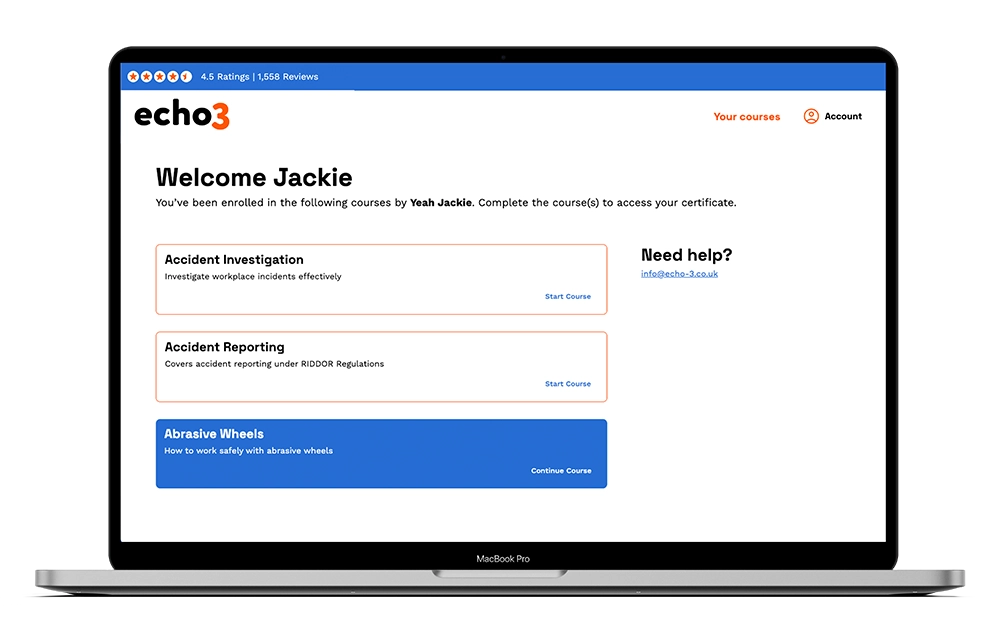
- Learner dashboard included
- Instant access after payment
- Free course retakes
- Shareable digital certificate




The Echo3 Dignity at Work course helps staff understand how to create a workplace free from incivility, bullying, and harassment. Learners receive instant access upon purchase, and a CPD-accredited certificate is emailed upon successful completion.



The Echo3 Dignity at Work & Harassment Awareness Training is a CPD-accredited online course designed to help organisations build a respectful, inclusive workplace free from bullying, harassment, and discrimination.
This online harassment awareness and dignity at work training course explains the responsibilities of both employees and employers under the Equality Act 2010, supporting legal compliance while promoting positive workplace behaviour.
The course covers all 9 protected characteristics, including age, disability, gender reassignment, race, religion or belief, sex, sexual orientation, pregnancy and maternity, and marriage and civil partnership.
Developed using best-practice guidance, this dignity at work and harassment awareness training helps learners recognise inappropriate behaviour, respond confidently, and contribute to a culture of respect, inclusion, and accountability.
The course takes approximately 50 minutes to complete and includes engaging, video-led content. On completion, learners receive a CPD-accredited Dignity at Work and Harassment Awareness certificate, providing evidence for compliance, audits, and HR records.
Effective harassment awareness training is essential for creating a safe and respectful workplace. Bullying and harassment can harm employee wellbeing, reduce productivity, and damage workplace culture, often leaving individuals feeling excluded or undervalued.
Research shows that around 1 in 10 workers in England experience bullying or harassment each year, highlighting the importance of training and early intervention.
A strong dignity at work culture supports employee wellbeing, improves performance, and reduces risks such as absenteeism, staff turnover, and reputational damage.
This dignity at work and harassment awareness course helps employees understand acceptable behaviour, identify early warning signs, and take appropriate action. It also supports employers in meeting legal duties and building a positive, inclusive workplace.
This online harassment awareness training course is suitable for all employees across any industry. It is particularly relevant for managers, supervisors, HR professionals, and those responsible for workplace culture and behaviour.
It is ideal for new starters and existing staff who require refresher training in dignity at work and harassment awareness.
Dignity at Work training focuses on promoting respect, inclusion, and fair treatment for all employees. It includes understanding the 9 protected characteristics under the Equality Act 2010.
Harassment awareness training focuses on identifying, preventing, and responding to bullying, harassment, and discrimination.
This course combines both, giving learners a complete understanding of workplace behaviour, legal responsibilities, and practical steps to maintain a safe and inclusive environment.
The Echo3 course is CPD-accredited, providing recognised and trusted harassment awareness and dignity at work training across the UK.
It helps learners understand their responsibilities under the Equality Act and apply best practice in real workplace situations. The certificate supports compliance audits, HR processes, and demonstrates a commitment to equality, diversity, and inclusion.

On completion, learners receive a CPD-accredited Dignity at Work certificate, providing clear evidence of training for compliance, audits, and internal records.
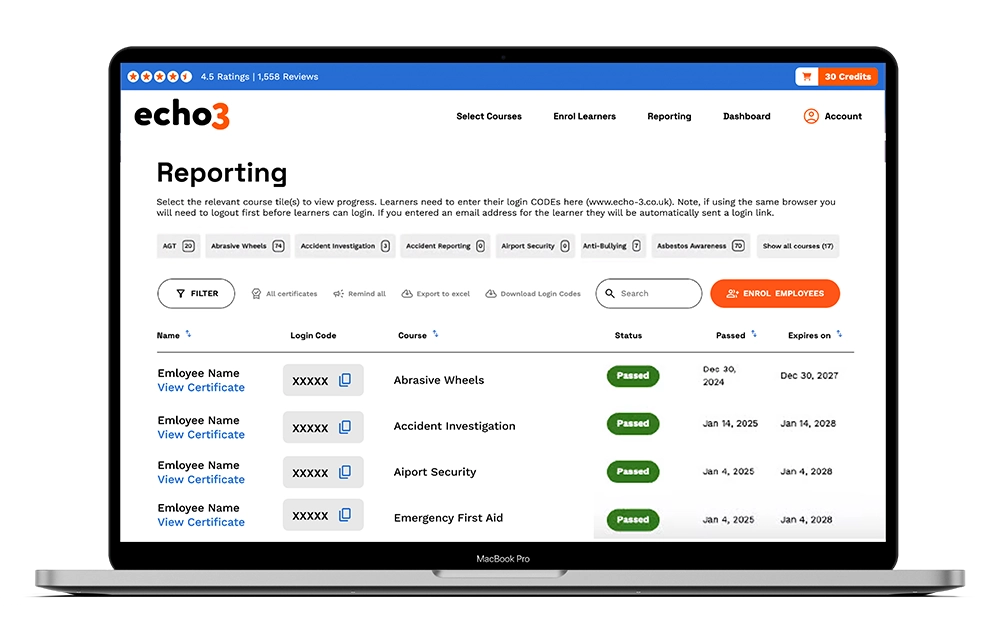
Echo3 delivers fully online dignity at work training designed for modern organisations. Employers can enrol staff, track progress, and manage compliance efficiently in one place.
Investing in the Echo3 harassment awareness training and dignity at work training helps reduce workplace risk, improve culture, and ensure compliance with UK legislation.
This course can also be combined with other Echo3 training, such as Communication Skills, Delegation Skills, and Health & Safety Awareness, to create a complete workplace training programme. All Echo3 courses can be accessed via training credit.
At Echo3 we design our courses around how people actually learn. The content is concise, free from unnecessary repetition, and supported by motion graphics to help explain key concepts. This enables workers to train efficiently, stay engaged, and ultimately stay safe at work.


The Echo3 online dignity at work course aims to foster a respectful and inclusive workplace culture.
Participants develop an understanding of the importance of dignity, equality, and diversity, gaining insights into the legal frameworks and policies that underpin these principles.
The Dignity at Work course enhances awareness of inappropriate behaviours, such as bullying and harassment, and provides tools to recognise, prevent, and address these issues effectively.
Participants will also learn effective communication strategies to promote a positive work environment, emphasising empathy and active listening.
Ultimately, the course aims to empower individuals with the skills to contribute to a workplace where every member is treated with dignity and respect, fostering collaboration, employee well-being, and organizational success.
 On successful completion of this Dignity at Work training, learners will be able to:

The Echo3 online Dignity at Work course is valuable for employees at all levels, including managers and HR professionals.
It is ideal for anyone committed to fostering a respectful, inclusive workplace culture, preventing harassment and discrimination, and strengthening interpersonal skills for effective communication and collaboration.
Harassment is defined in law as any unwanted behaviour that violates an individual’s dignity or creates an intimidating, hostile, degrading, humiliating, or offensive environment for them.
Under the Equality Act 2010, this definition of harassment applies specifically to behaviour related to the following nine protected characteristics:
Discrimination by association is also recognised under the law. This means a person can be protected even if they do not personally possess a protected characteristic but are treated unfairly due to their connection with someone who does—such as a family member or friend.
Harassment can take various forms, which are commonly grouped into three broad categories:
According to ACAS (Advisory, Conciliation and Arbitration Service), bullying is defined as unwanted behaviour that is “offensive, intimidating, malicious or insulting.”
Bullying can take the form of a one-off incident or repeated behaviour over time. It may come from an individual or a group, and while it is often associated with a manager targeting a team member, it can also occur in the opposite direction—known as ‘upward bullying’, where staff target a manager or senior employee.
Examples of bullying behaviour include:
It’s important to note that reasonable management actions—such as setting expectations, providing performance feedback, or holding staff accountable—do not constitute bullying when carried out in a fair and respectful manner.
While constructive feedback may sometimes feel uncomfortable, this alone does not mean bullying is taking place. For this reason, any concerns raised should be assessed objectively, considering both the intent and the impact of the behaviour.
Workplace incivility refers to low-intensity rude or discourteous behaviour, often subtle but still disrespectful. Examples include interrupting, eye-rolling, intentionally ignoring someone, undermining colleagues, or making belittling comments in public.
While incivility may seem minor compared to bullying, it can be just as harmful, leading to increased stress, reduced collaboration, and a negative impact on motivation and performance. Addressing incivility is essential when promoting dignity at work.
It’s important to recognise that incivility is often subjective, what feels disrespectful to one person may not affect another. For instance, texting while someone is speaking might be seen as rude by some and acceptable by others. Regardless of intent, if behaviour leaves someone feeling disrespected, it can have real consequences. Repeated, seemingly minor acts can accumulate over time, creating a toxic environment.
Yes. The training is CPD-accredited and recognised across the UK as quality professional development.
Yes. On completion, learners receive a CPD-accredited Dignity at Work certificate as evidence of training. This can be used for compliance records, HR files, and audits.
It is suitable for all employees, including managers, supervisors, and HR staff. It is ideal for both new starters and existing staff who need refresher training.
The course typically takes around 50 minutes to complete and can be accessed online at any time.
While not legally required as a standalone course, employers have a legal duty under the Equality Act 2010 to prevent harassment and discrimination. Training is one of the most effective ways to demonstrate compliance and meet this duty.




 Guaranteed Safe & Secure checkout managed by Stripe & Paypal








Have any questions about our training or services?
Email us at info@echo-3.co.uk today!
Get in touch