
Benefits for Individuals
- Engaging video-based content
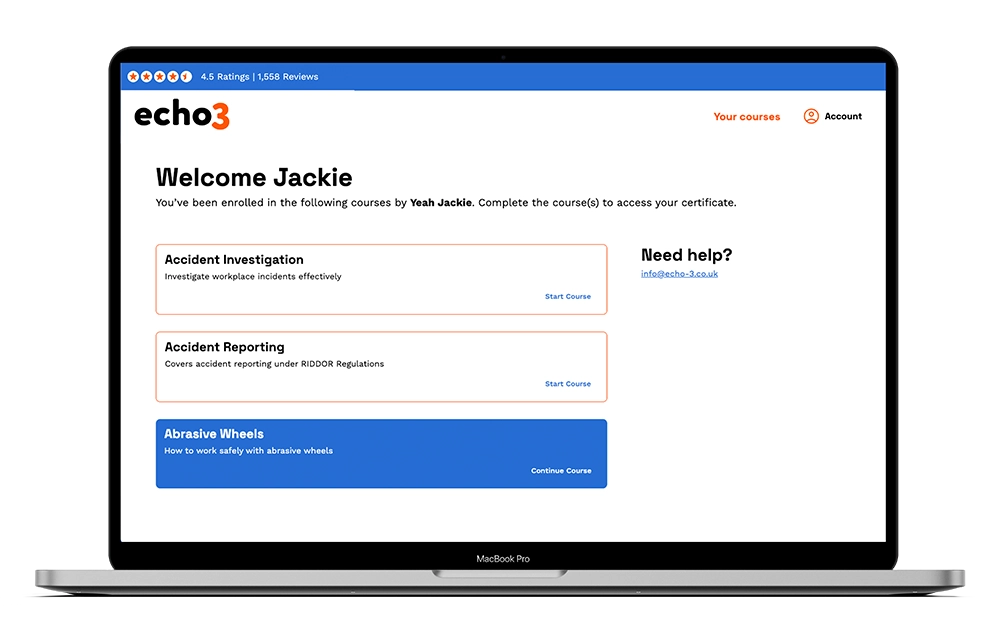
- Learner dashboard included
- Instant access after payment
- Free course retakes
- Shareable digital certificate




The Echo3 online Maritime Security Training course is designed for all seafarers without designated security duties. It provides essential knowledge to help maintain vessel safety, identify security risks, and support secure operations while working at sea.
Effective maritime security awareness training is critical. Threats such as piracy, stowaways, sabotage, and violence against shipping have remained a global concern for decades, making crew awareness an essential part of safe maritime operations.
This maritime security awareness course online provides security familiarisation training for crew members, helping them recognise potential threats, respond appropriately, and support overall vessel security procedures. It ensures all seafarers understand basic security responsibilities, even if they do not hold formal security roles.
The course meets the statutory security training requirement under STCW 2010 (Standards of Training, Certification and Watchkeeping), supporting international compliance and promoting safer operations across commercial shipping.
Maritime security training is essential for protecting vessels, crew, cargo, and passengers from a wide range of threats, including piracy, stowaways, sabotage, and unlawful interference.
Global maritime security threats remain a significant concern. In 2025, the International Maritime Bureau reported 137 incidents of piracy and armed robbery, with continued use of violence and weapons in many attacks, highlighting ongoing risks to international shipping routes.
Human awareness remains one of the strongest defences at sea. Crew members who can identify suspicious behaviour, report concerns correctly, and follow onboard security procedures play a vital role in reducing risk and maintaining safe operations.
This online maritime security training course helps seafarers build confidence in recognising threats and responding in line with vessel security protocols, improving overall safety and operational resilience.
Maritime security training is a legal requirement under the International Convention on Standards of Training, Certification and Watchkeeping for Seafarers (STCW 2010).
Under STCW regulations, all seafarers must complete appropriate security awareness training before being assigned duties on board a vessel. This ensures crew members understand potential risks and know how to respond effectively in an emergency.
This STCW-compliant maritime security course online helps organisations meet their legal obligations while ensuring crews are properly trained in vessel security awareness.
This maritime security awareness course online is suitable for all seafarers who do not have designated ship security responsibilities.
It is ideal for crew working on commercial vessels, including cargo ships, passenger ships, offshore vessels, and other maritime operations.
The course is essential for anyone working at sea who needs a clear understanding of basic maritime security awareness and procedures.
This CPD accredited maritime security training course online delivers structured, up-to-date learning aligned with international maritime security standards.
It provides practical knowledge to help learners identify security threats, follow correct procedures, and contribute to safe and compliant vessel operations.

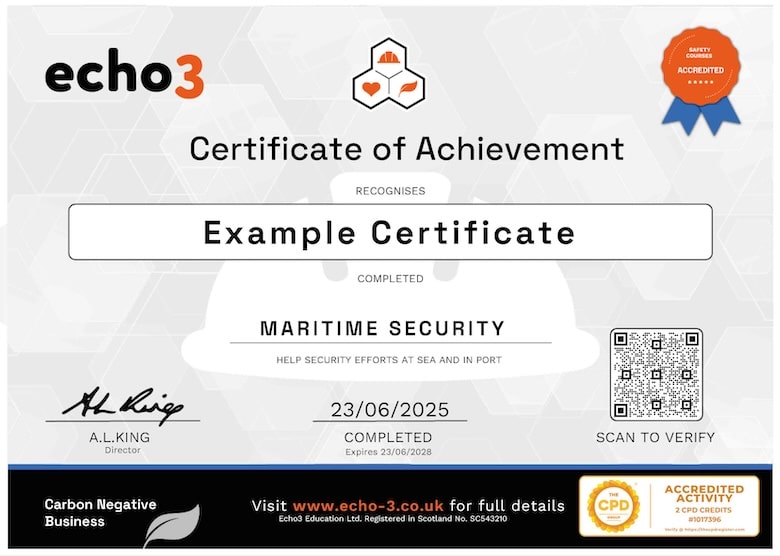
On successful completion, learners receive a digital certificate confirming completion of maritime security awareness training.
This certificate provides formal evidence of compliance with STCW training requirements and can be used for employer records, audits, and certification purposes.
It supports both individual competence and organisational compliance with international maritime safety and security standards.
Echo3 provides flexible and scalable online maritime security training, helping maritime organisations and shipping companies manage workforce training efficiently.
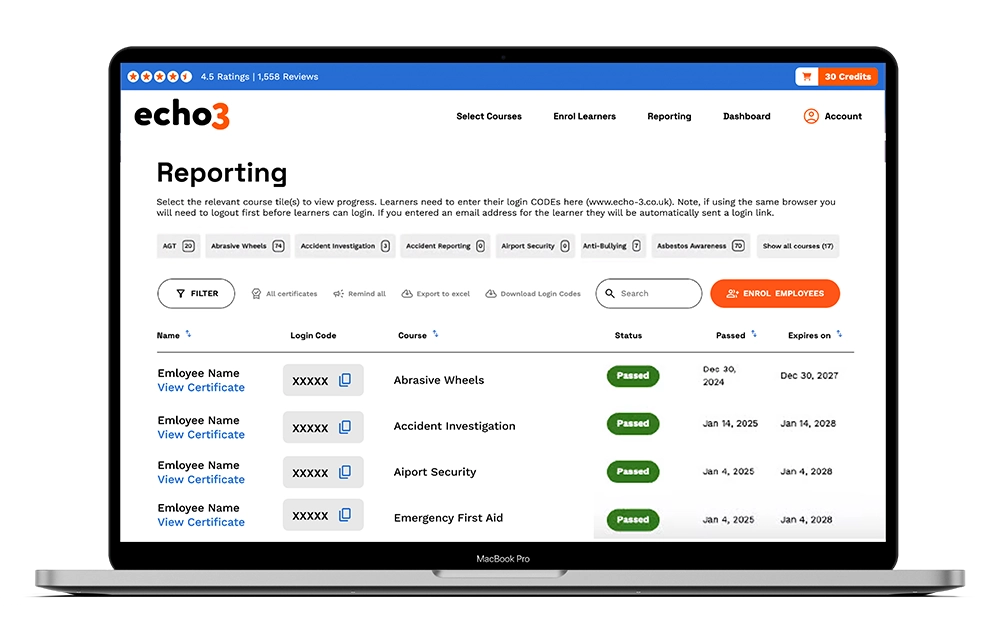
Employers can enrol crew members, track progress, and manage certification through a centralised platform, making compliance simple and consistent across teams.
This maritime security course can also be combined with related training such as Fire Awareness, First Aid, Manual Handling, and Health & Safety courses, helping organisations build a complete maritime safety training programme.
All courses are accessed via Echo3 credits, offering a cost-effective and scalable solution for ongoing compliance, training delivery, and workforce development.
At Echo3 we design our courses around how people actually learn. The content is concise, free from unnecessary repetition, and supported by motion graphics to help explain key concepts. This enables workers to train efficiently, stay engaged, and ultimately stay safe at work.
Maritime security training provides seafarers with the knowledge to identify security threats, respond appropriately, and help protect vessels, cargo, and crew from risks such as piracy, stowaways, and unlawful interference.
All seafarers without designated ship security duties are required to complete maritime security awareness training. This includes crew working on cargo ships, passenger vessels, offshore vessels, and other commercial maritime operations.
Yes. Maritime security awareness training is a legal requirement under the STCW 2010 (Standards of Training, Certification and Watchkeeping for Seafarers). All seafarers must complete appropriate security training before working on board a vessel.
The course covers vessel security awareness, recognising suspicious activity, responding to security threats, piracy prevention, stowaways, and following onboard security procedures in line with international regulations.
Most online maritime security training courses can be completed in a short time, typically within 60–90 minutes, depending on the learner’s pace.
Yes. On completion, learners receive a digital certificate confirming maritime security awareness training, which can be used as evidence of STCW compliance and employer training records.
Yes. This course is designed to meet the STCW 2010 security awareness training requirements, ensuring seafarers meet international maritime training standards.
It is suitable for all non-security designated crew members working at sea, including those in general deck, engine, catering, and support roles on commercial vessels.
Maritime security training is essential because it helps reduce risks from piracy, theft, sabotage, and other security threats. Crew awareness is a key factor in maintaining safe and secure vessel operations.
Yes. Online maritime security training allows seafarers to complete the course at their own pace from any location, making it convenient and accessible before or during deployment.





 Guaranteed Safe & Secure checkout managed by Stripe & Paypal








Have any questions about our training or services?
Email us at info@echo-3.co.uk today!
Get in touch