Heart Attacks
Heart attacks are caused by the blood supply to the heart being suddenly interrupted. Usually this stems again from a build-up of cholesterol plaque within a coronary artery. The plaque in this instance cracks which leads to the formation of a blood clot which blocks the artery and the supply of blood to the heart.
Heart attacks are a common cause of sudden cardiac arrest, but most heart attacks do not lead to sudden cardiac arrest.
Cardiac Arrest
Cardiac arrest means the heart is no longer moving blood through the body.
When blood circulation stops, the brain shuts down, including its respiratory centre. So, when the heart stops, so does breathing, usually within a minute or less.
Causes of cardiac arrest include:
- Electrocution
- A drug overdose
- Losing a large amount of blood
- Suffocation
But most cardiac arrests occur when a diseased heart’s electrical system malfunctions. This is know as sudden cardiac arrest or SCA. There is often little or no warning.
A victim will lose consciousness, have absent or abnormal breathing and no circulation.
Sudden cardiac arrest is the leading cause of death. Each year around 350,000 incidents occur in the US and 100,000 in the UK.
This online First Aid course provides colleagues with the knowledge needed to recognise and respond appropriate to sudden cardiac arrest and heart attacks.








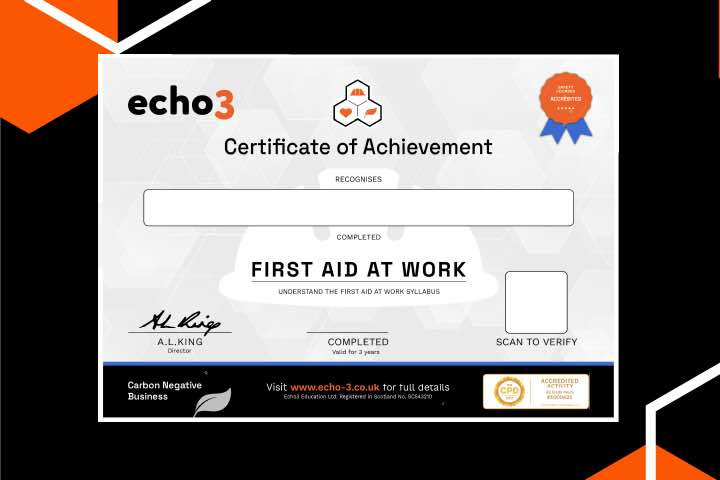




 The online First Aid at Work course learning objectives include:
 You should check with your employer if you are in doubt as to whether this course is appropriate for your job role.
 This first aid at work online course is designed for;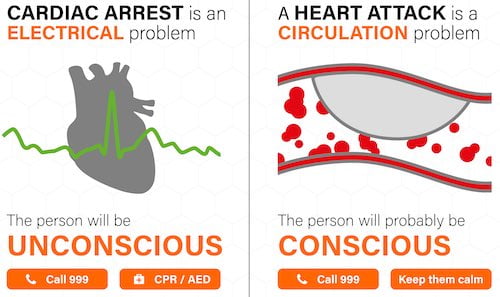


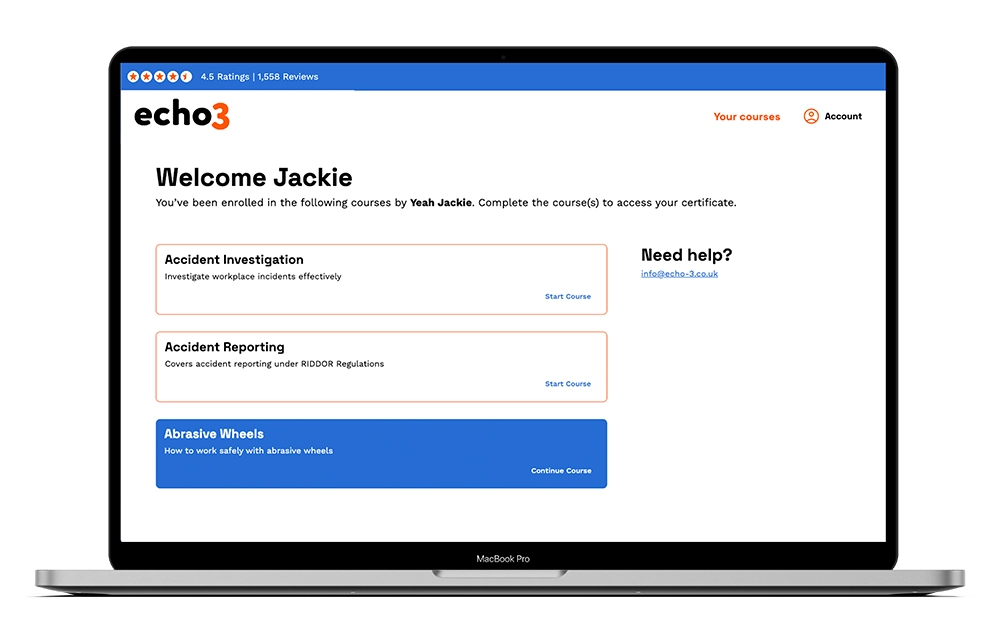
 Engaging video-based content