

Benefits for Individuals
- Engaging video-based content
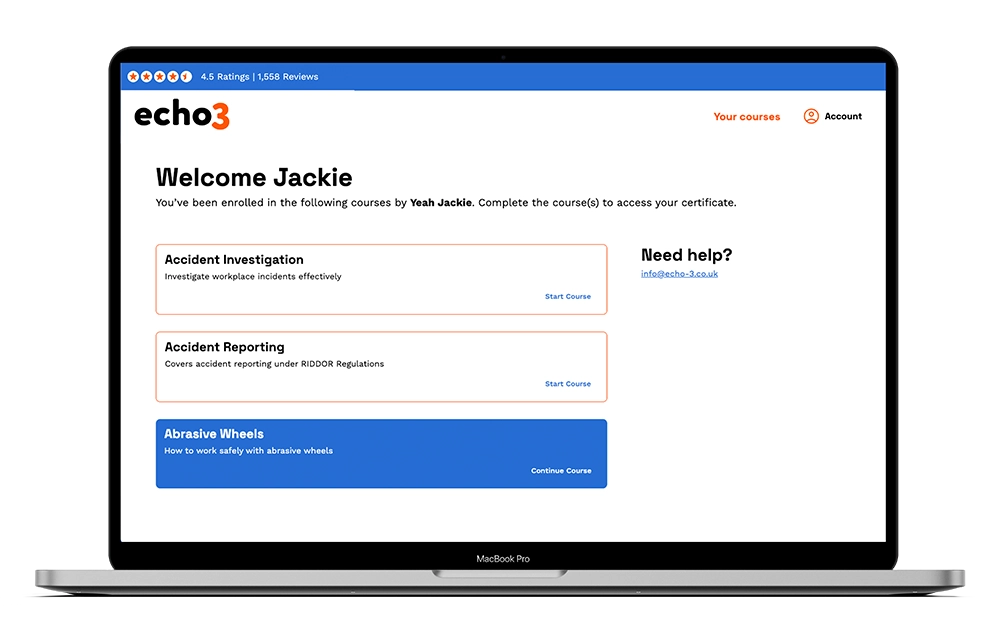
- Learner dashboard included
- Instant access after payment
- Free course retakes
- Shareable digital certificate
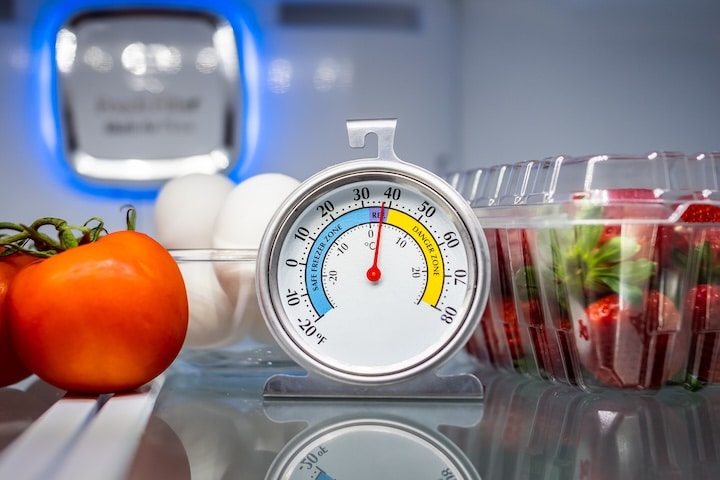


The Echo3 Temperature Control course is a food safety training programme designed to teach learners how to store, thaw, cook, and serve food at safe temperatures. The training helps reduce the risk of food poisoning, bacterial growth, and food contamination in catering and hospitality environments.



The Echo3 Temperature Control Course Online is a CPD-accredited food safety training course designed to help food industry professionals understand and apply effective temperature control in real-world catering and hospitality environments.
This online temperature control training course is suitable for cafés, restaurants, takeaways, catering teams, and large-scale food operations. It provides practical knowledge to help learners manage food temperatures safely, reduce risk, and maintain consistent food hygiene standards.
Temperature control is a fundamental part of food safety. It ensures food remains safe from preparation through to service and helps prevent foodborne illness while supporting compliance with UK food safety regulations. Poor temperature control is a leading cause of food poisoning, with millions of cases reported each year in the UK, many of which are preventable with the correct training and procedures in place.
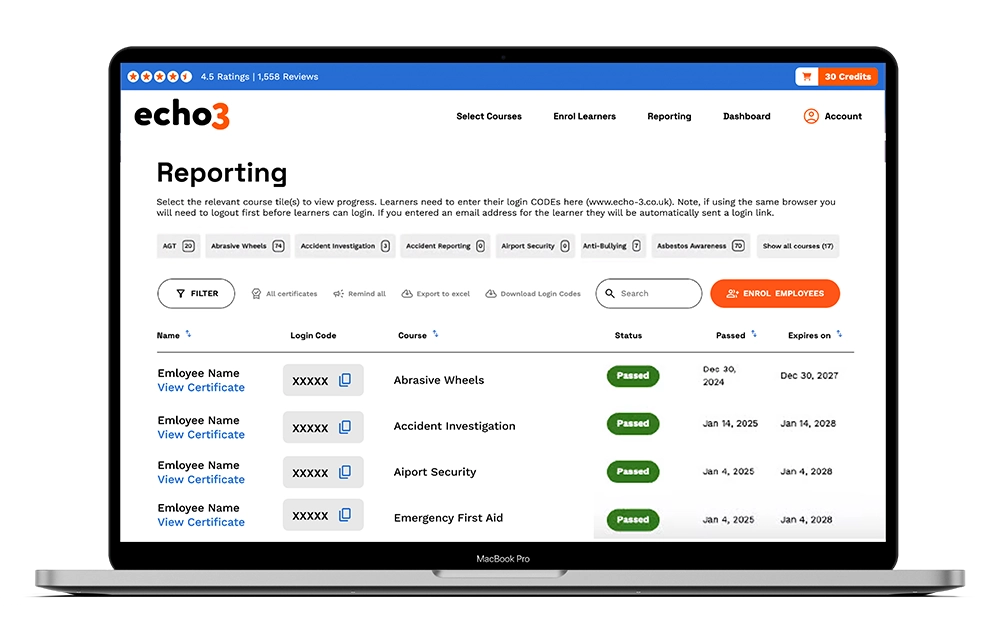
On completion of the course, learners receive a downloadable Echo3 Temperature Control Certificate, which can be used for compliance records, audits, and staff training evidence.
Temperature control is one of the most critical elements of food safety management. It helps prevent the growth of harmful bacteria and reduces the risk of contamination in food preparation and storage.
Bacteria grow rapidly in the temperature danger zone between 8°C and 63°C, where they can multiply every 20–30 minutes under ideal conditions. Many food poisoning incidents occur when food is left within this range for too long, particularly in real-world situations such as busy kitchens, buffets, and outdoor catering.
Effective temperature monitoring, correct storage, and proper hot and cold holding procedures are essential to prevent food safety failures and protect customers. This course helps learners understand how to control these risks in everyday food handling environments.
This online food safety training course is ideal for anyone involved in handling, preparing, cooking, serving, or supervising food. It is suitable for chefs, kitchen assistants, café staff, restaurant teams, catering staff, hospitality workers, and food safety supervisors.
It is also valuable for new starters needing foundational food hygiene knowledge, as well as experienced staff looking to refresh their understanding of temperature control best practice.
This CPD-accredited course supports ongoing professional development and demonstrates a commitment to food safety compliance and workplace best practice.
It helps individuals and businesses meet regulatory expectations and improve internal food safety standards through practical, easy-to-apply training.

The Temperature Control Course Online is delivered entirely online and can be completed at the learner’s own pace from any device.
The training is designed to be clear, practical, and easy to follow, making it suitable for both individuals and teams across the food and hospitality sector.
Upon successful completion, learners receive an Echo3 Temperature Control Certificate confirming their training.
This certificate can be used for compliance records, food safety audits, and staff training documentation, demonstrating that learners understand how to apply correct temperature control procedures in the workplace.
Echo3 provides modern, flexible online training designed to improve food safety, compliance, and workplace performance.
Our food safety courses are practical, engaging, and designed for real-world application. The Temperature Control course can also be combined with Level 2 Food Safety, Level 3 Food Safety, and Food Allergen Awareness training to build a complete compliance training package.
All courses are available individually or through Echo3 Training Credits, giving organisations a flexible and cost-effective way to manage staff training.
A CPD accredited certificate, emailed the moment you pass. Employers, agencies and auditors scan the QR code to check it on the spot.
Written in accordance with the Food Safety Act 1990, the Food Safety and Hygiene (England) Regulations 2013 and the Food Hygiene (Scotland) Regulations 2006. Last updated August 2025.
Get Certified · £20.00 + VATAt Echo3 we design our courses around how people actually learn. The content is concise, free from unnecessary repetition, and supported by motion graphics to help explain key concepts. This enables workers to train efficiently, stay engaged, and ultimately stay safe at work.
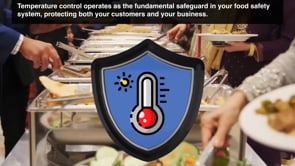
A Temperature Control course is a food safety training programme designed to teach learners how to store, prepare, cook, hold, and serve food at safe temperatures. The training helps reduce the risk of food poisoning, bacterial growth, and food contamination in catering and hospitality environments.
Temperature control is one of the most important parts of food safety because harmful bacteria can multiply rapidly when food is kept within the temperature danger zone between 8°C and 63°C.
Correct temperature monitoring helps prevent foodborne illness, protects customers, and supports compliance with UK food hygiene regulations.
The food temperature danger zone is generally considered to be between 8°C and 63°C. Within this range, bacteria can grow quickly and increase the risk of food poisoning.
This online Temperature Control course explains how to safely store, cook, chill, reheat, and hot hold food to minimise these risks.
This course is suitable for anyone involved in handling, preparing, serving, transporting, or supervising food.
It is ideal for chefs, kitchen staff, catering teams, restaurant employees, café workers, hospitality staff, takeaway operators, and food safety supervisors.
Yes. This CPD-accredited Temperature Control course supports professional development while helping businesses improve food safety awareness and workplace compliance.
Yes. The Temperature Control Course is delivered entirely online and can be completed from any location with an internet connection.
Learners can study at their own pace using desktop, tablet, or mobile devices.
Yes. Upon successful completion of the course, learners receive an Echo3 Temperature Control Certificate confirming completion of their training.
The certificate can be used for staff training records, compliance audits, and food hygiene inspections.
This online Temperature Control training course is suitable for a wide range of industries including hospitality, catering, restaurants, cafés, takeaways, food retail, schools, healthcare, and food manufacturing.
Poor temperature control can allow harmful bacteria to multiply rapidly, increasing the risk of food poisoning outbreaks, food contamination, legal action, reputational damage, and business closure.
Effective temperature monitoring and food safety procedures help reduce these risks significantly.
Yes. This Temperature Control course helps businesses support compliance with UK food safety legislation and food hygiene best practice by improving staff awareness of safe food temperature management procedures.





 Guaranteed Safe & Secure checkout managed by Stripe & Paypal



Have any questions about our training or services?
Email us at info@echo-3.co.uk today!
Get in touch