Health and safety on site
The Hazards a Groundworker Faces on Every Site
Excavations, buried services, heavy lifting, vibrating tools and confined spaces come up on almost every groundworks job. Each one is covered by health and safety law, and each has a course in the Groundworker Bundle.
Excavation Collapse
HSE is clear that no ground can be relied on to stand unsupported, so trench support has to be planned before digging starts. The law requires danger to anyone in or near an excavation to be prevented, with the excavation inspected by a competent person.
Covered by Excavation Safety Course
Buried Cables and Pipes
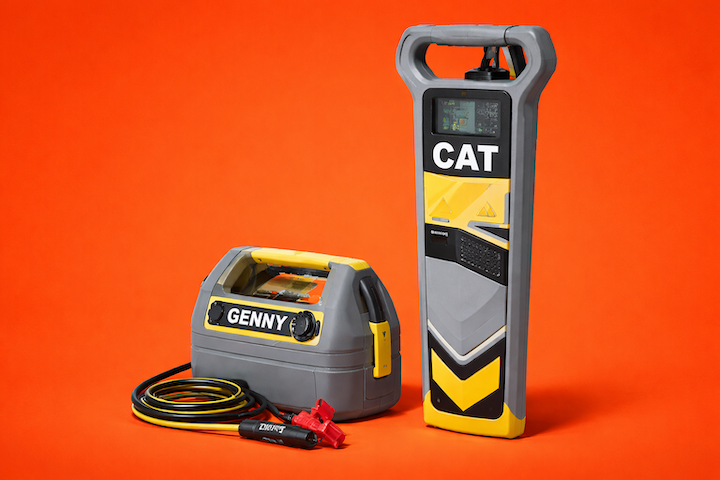
Striking a live cable or a gas main while digging can cause serious burns, fire or an explosion. HSE guidance HSG47 sets out the safe system: plan the work, locate and identify the services, then dig with care.
Covered by Cat and Genny
Heavy Lifting
Kerbs, pipes, blocks and bags of cement all count under the Manual Handling Operations Regulations 1992. Employers must avoid hazardous lifting where they can, assess what remains and reduce the risk.
Covered by Manual Handling Training
Vibrating Tools
Regular use of breakers, hammer drills and grinders can damage the nerves and blood vessels in the hands, and the damage can become permanent. The Control of Vibration at Work Regulations 2005 require employers to assess and reduce the risk.
Covered by Hand Arm Vibration
Confined Spaces
Manholes, chambers and sewers can hold toxic gas or too little oxygen to breathe. The Confined Spaces Regulations 1997 require entry to be avoided where possible and, where it cannot be, a safe system of work and emergency arrangements in place.
Covered by Confined Space Entry Course