Health and safety in the lab
The Hazards a Laboratory Technician Works With
Every lab is different, but these four come up in all of them. Each one is covered by health and safety law, and each one has a course in the Laboratory Technician Bundle.
Laboratory Risks
Glassware, hot plates, centrifuges, compressed gases and samples all bring their own risks. The Management of Health and Safety at Work Regulations 1999 require those risks to be assessed, and the people doing the work to be trained for it.
Covered by Laboratory Safety
Chemical Exposure
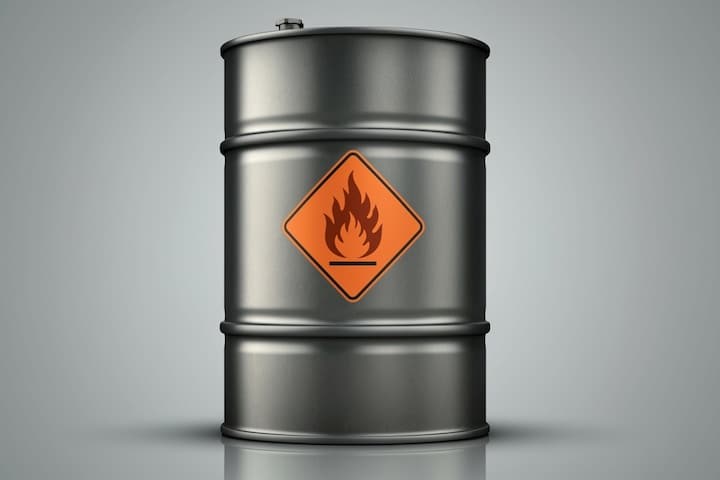
Acids, solvents and reagents are substances hazardous to health under the COSHH Regulations 2002. Employers must assess the risks, put controls in place and give staff suitable and sufficient information, instruction and training.
Covered by COSHH Course
Biological and Toxic Agents
COSHH also covers biological agents, such as the micro-organisms and cell cultures handled in many labs. Knowing how a substance enters the body and how to read its hazard information is the first step to working with it safely.
Covered by Hazardous Substances
Protective Equipment
Lab coats, gloves, safety glasses and face shields protect you only if they suit the hazard and are worn properly. The PPE at Work Regulations 1992 require employers to provide suitable PPE free and to train staff to use it.
Covered by PPE Course