Health and safety in oil and gas
The Hazards an Oil and Gas Worker Faces on Every Shift
Rigs, refineries and terminals each have their own risks, but these five run through all of them. Each one is covered by health and safety law, and each one has an awareness course in the Oil and Gas Bundle.
Hydrogen Sulphide
H2S is toxic, flammable and heavier than air, so it collects in low spaces, and at high concentrations it stops you being able to smell it. Under the COSHH Regulations 2002, anyone liable to be exposed must be given suitable information, instruction and training.
Covered by H2S Awareness Course
Confined Spaces
Tanks, vessels and pipework can hold toxic gas, too little oxygen or a fire risk. HSE guidance is to avoid entry where possible and, where it cannot be avoided, to use a safe system of work, rescue arrangements and people trained for the job.
Covered by Confined Space Entry Course
Work at Height
Derricks, scaffolds, ladders and elevated walkways all put people at risk of a fall. The Work at Height Regulations 2005 require work at height to be planned, supervised and carried out by competent people.
Covered by Working At Heights
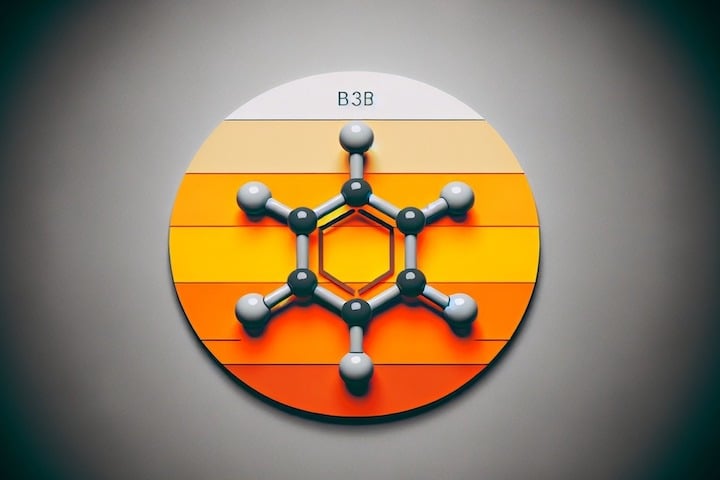
Benzene
Benzene is present in crude oil and many refinery streams, and it is a known cause of cancer. COSHH requires exposure to be prevented or kept as low as reasonably practicable, and below its legal workplace exposure limit.
Covered by Benzene Awareness
Protective Equipment
When other controls cannot remove a hazard, the last line of defence is what you wear: flame-resistant clothing, gloves, eye protection and respirators. The PPE at Work Regulations 1992 require employers to provide it free and to train staff to use it.
Covered by PPE Course