Health and safety in welding
The Hazards a Welder Works With Every Shift
In a fabrication shop or out on site, these four come up on every welding job. Each one is covered by health and safety law, and each has a course in the Welder Bundle.
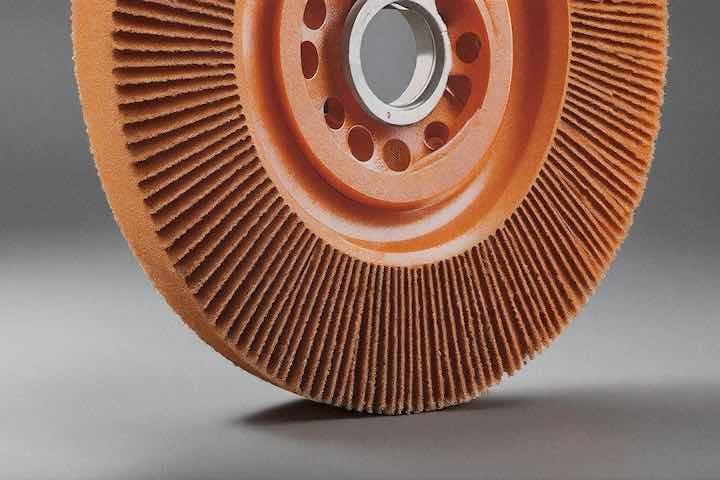
Grinders and Cutting Discs
Preparing and finishing a weld means working close to a fast-spinning abrasive wheel. PUWER 1998 requires everyone who uses work equipment to be adequately trained, and HSE guidance HSG17 covers the safe use of abrasive wheels.
Covered by Abrasive Wheels Course
Welding Fume
HSE states that all welding fume, including mild steel welding fume, can cause lung cancer. Under the COSHH Regulations 2002, exposure must be adequately controlled, typically with local exhaust ventilation, and suitable respiratory protection where fume remains.
Covered by Hazardous Substances
Arc Light and Spatter
The radiation from a welding arc can cause arc eye and reddened skin, and hot spatter and slag burn. The Personal Protective Equipment at Work Regulations 1992 require suitable PPE, and training in its use, wherever a risk cannot be controlled another way.
Covered by PPE Course
Hand Injuries
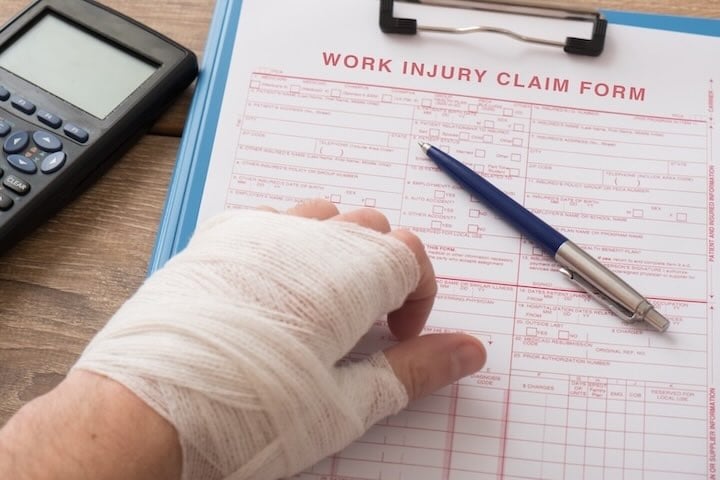
Cuts from sharp edges and crushing from heavy workpieces put a welder's hands at risk on every job. Employers must assess these risks under the Management of Health and Safety at Work Regulations 1999 and control them, with suitable gloves where risk remains.
Covered by Hand Safety Awareness