Health and safety in the dental practice
The Hazards a Dental Nurse Works With Every Day
Every practice is different, but these five come up in all of them. Each one has a legal duty behind it, and each one has a course in the Dental Nurse Bundle.
Cross-Infection
Saliva, blood and aerosols from treatment mean infection can pass between patients and the dental team. The COSHH Regulations 2002 treat the micro-organisms that cause infection as biological agents, and employers must prevent or control exposure to them.
Covered by Infection Control Course
Sharps Injuries
Needles, scalers, matrix bands and burs all carry a sharps risk, especially when instruments are cleared away for decontamination. The Health and Safety (Sharp Instruments in Healthcare) Regulations 2013 require healthcare employers to control sharps risks and give staff information and training.
Covered by Needlestick Course
Blood and Saliva
Blood, and saliva contaminated with blood, can carry viruses such as hepatitis B, hepatitis C and HIV. COSHH requires employers to assess the risk and control it, from protective equipment to the safe handling of contaminated materials.
Covered by Bloodborne Pathogens Course
Hazardous Substances
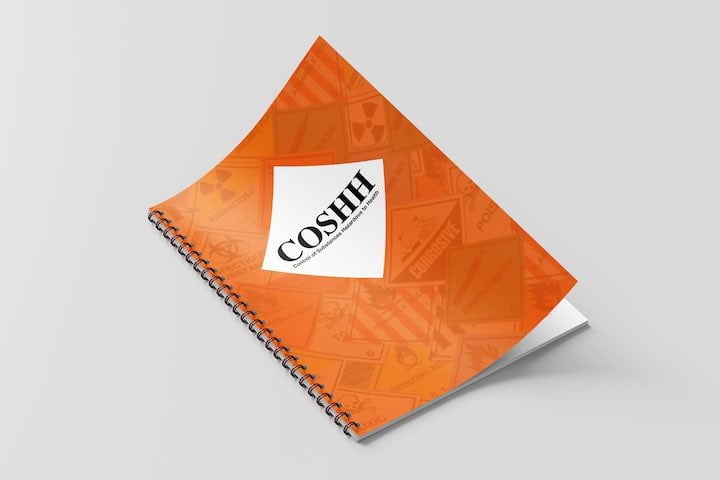
Disinfectants, decontamination chemicals and dental materials can harm the skin, eyes and lungs. The COSHH Regulations 2002 require employers to assess these risks and give staff suitable information, instruction and training.
Covered by COSHH Course
Mercury
Dental amalgam contains mercury, which is toxic if its vapour is breathed in. In Great Britain, the law requires amalgam to be used in pre-dosed capsules, practices that use it to fit amalgam separators, and amalgam waste to go to an authorised waste handler.
Covered by Mercury Awareness