Health and safety on the production line
The Hazards a Food Production Worker Faces Every Shift
Every food factory is different, but these five come up on every line. Each one has a legal duty behind it, and each one has a course in the Food Production Bundle.
Food Safety
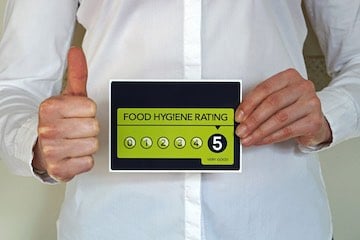
Food businesses must make sure food handlers are supervised and instructed or trained in food hygiene to a level that matches their work. The law does not name a certificate, but Level 2 is the usual way for production staff to show it.
Covered by Food Hygiene Level 2
HACCP Controls
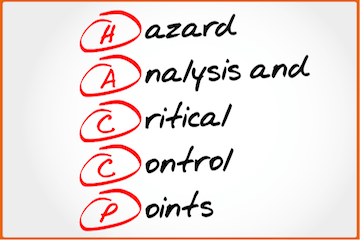
Every food business must run food safety procedures based on HACCP principles, and the people who develop and maintain them must be trained in how HACCP works. Operatives on the line keep those controls working on every shift.
Covered by HACCP Levels 1 & 2 Course
Cross-Contamination
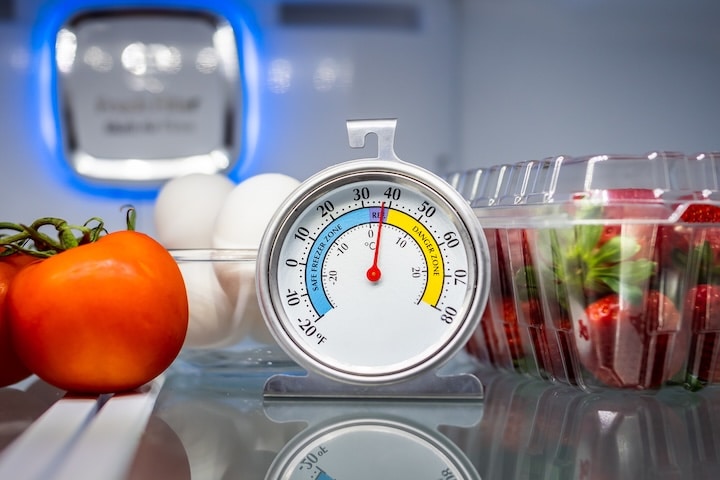
Where raw and ready-to-eat foods are handled on the same site, harmful bacteria such as E. coli O157 can spread through equipment, surfaces and hands. The Food Standards Agency's guidance sets out the controls businesses are expected to have in place.
Covered by Preventing Cross-contamination
Heavy Lifting
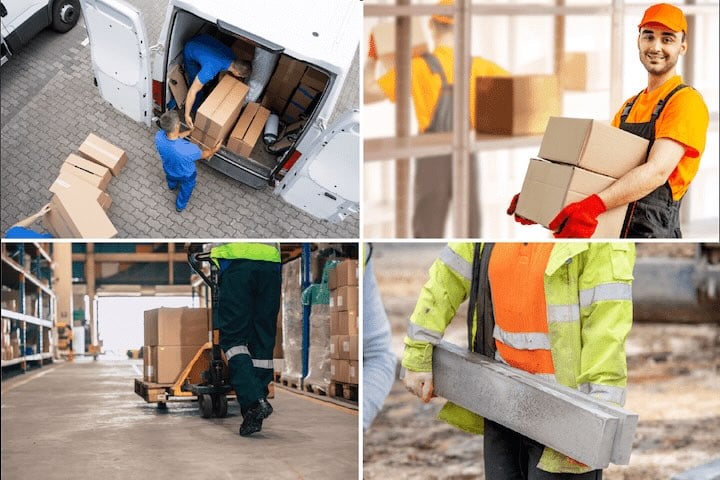
Ingredient sacks, crates, trays and repetitive line work all fall under the Manual Handling Operations Regulations 1992. HSE names manual handling as one of the main causes of injury in food and drink manufacturing.
Covered by Manual Handling Training
Protective Equipment
Cut-resistant gloves, safety footwear, eye and hearing protection all have a place on a production line. The Personal Protective Equipment at Work Regulations 1992 require employers to provide suitable PPE and train staff to use it.
Covered by PPE Course