Health and safety on the restaurant floor
The Hazards Between the Pass and the Table
Waiting staff training follows the plate from the kitchen to the guest. Each of these four risks has a course in the Waiting Staff Bundle, and difficult customers and late finishes are covered in the questions below.
Clearing and Serving
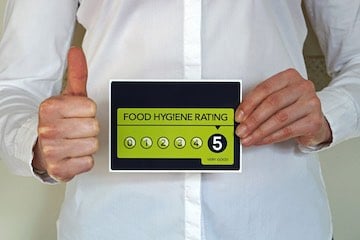
The same hands clear dirty plates, hand round bread and carry desserts out. Food businesses must make sure staff who handle food are supervised and trained in food hygiene to suit their work, which for a server means washing hands between clearing and serving and holding cutlery and glasses away from where mouths go.
Covered by Food Hygiene Level 2
Allergen Orders
A guest usually mentions an allergy to whoever takes the order, and it has to reach the kitchen intact. The FSA's allergen checklist asks how front-of-house staff record an allergen-free order and pass it clearly to the kitchen. Natasha's Law covers food prepacked on site, not plated dishes, so in a restaurant the allergen information comes from the menu and the server.
Covered by Food Allergy Course
Hot Plates and Loaded Trays
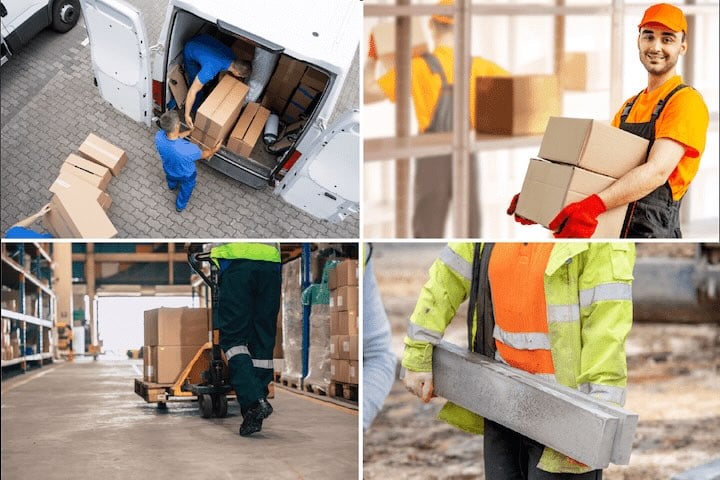
Three plates up the arm, a drinks tray at shoulder height and a plate straight from under the heat lamp: carrying is most of the job. The Manual Handling Operations Regulations 1992 require employers to assess and reduce the risk, and servers need to know how to load a tray, hold a hot plate and when to make two trips.
Covered by Manual Handling Training
Spills on a Busy Floor
Spilt drinks, dropped food and a wet route through the kitchen doors put servers at risk all service, and HSE names waiting staff among the people most affected by slips and trips in catering. Under the Workplace (Health, Safety and Welfare) Regulations 1992, employers must keep floors free of slip hazards so far as is reasonably practicable.
Covered by Preventing Slips and Trips Course